The Cast And Tools Come Together
The Rise Of AI
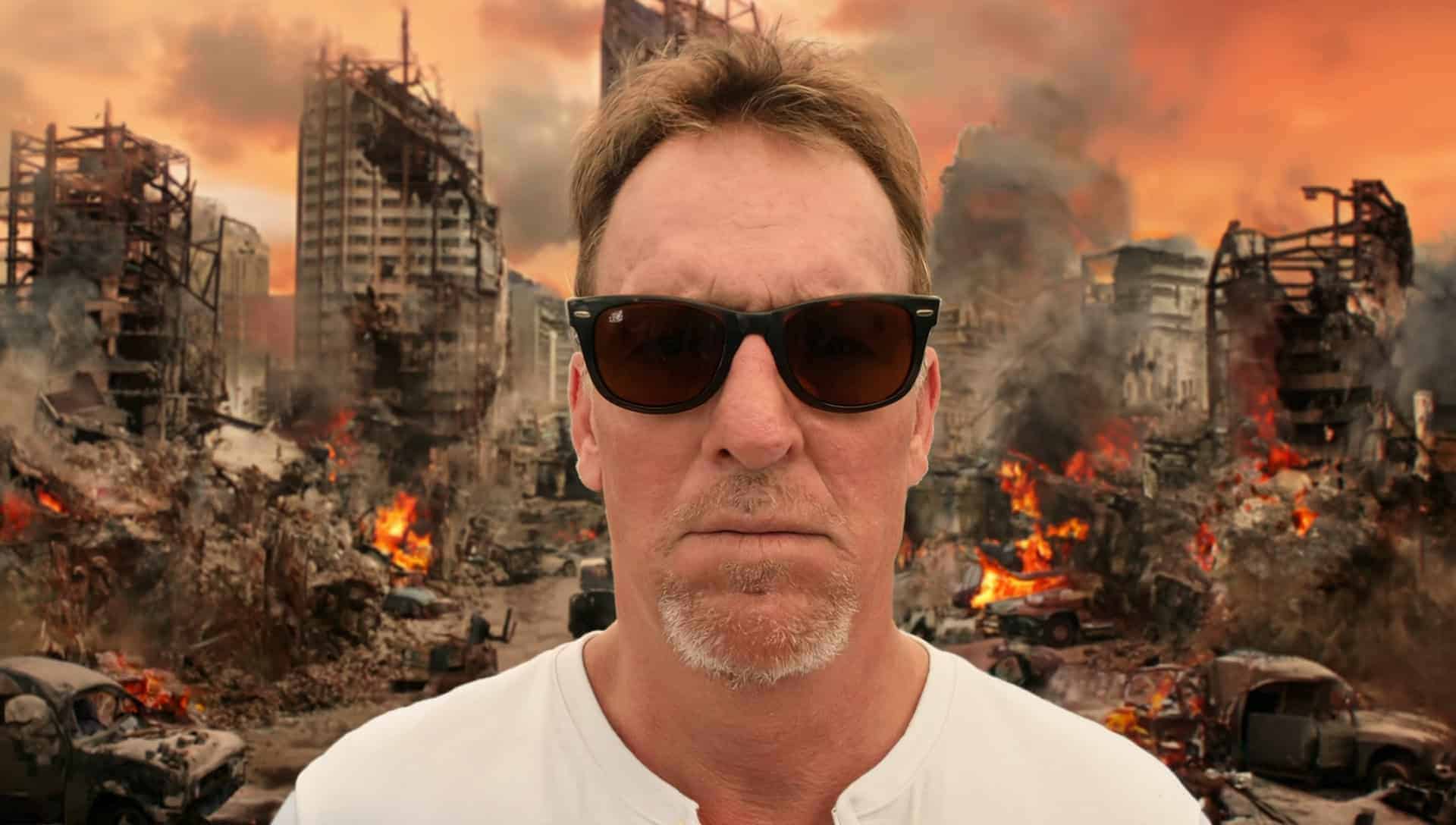
I have developed a love/hate relationship with the rise of AI [Artificial Intelligence]. On the one hand, the rise of AI has been amazing. AI provided by multiple platforms has helped me at virtually every step. Without AI assistance, developing and producing this series would have taken me one hundred times longer.
On the other hand, I have watched as AI has disrupted entire industries, putting many people out of work, and bringing a type of chaos that the world has never experienced before. Big-name government contracting companies are landing contracts to develop AI that will track, trace, and surveil people like never before. The notion of "pre-crime" that was once a Hollywood movie concept [Minority Report], is now openly discussed and being actively developed.
Where AI is going to take us is anyone's guess. There will be AI tools that allow people to build and create like never before. But, there will also be AI tools designed to create a digital prison and a nightmarish, dystopian future.
Chatting My Way Through It
I have used a combination of ChatGPT, Google Gemini, and Anthropic's Claude to not only help me develop the overall concept, but also develop characters, their backstories, and tutor me through the basics of filmmaking.
Despite my love/hate relationship with AI, I must admit that having the ability to chat my way through questions, requests for information, and feedback has been amazing.
The tricky part at the beginning was learning how to chat with AI. It is one thing to just tap out a question, but if you want solid results, you need to tell the AI how to think, what to analyze, and exactly what type of output you want it to produce. Learning how to chat with AI, no matter what you want to achieve, is key to saving time, reducing AI hallucinations, and receiving the highest quality responses.
The Main Cast Comes Together
Before I could start creating any video, I needed to know who were the main players, why they were motivated to do what they were doing, what are their backgrounds and personalities, and how they all work together.
This is where ChatGPT was awesome. I created a project in ChatGPT so I could keep all the instructions and progress in one place, and started by explaining the overall concept.
The main protagonist, Alex Gray, came together quickly. His overall backstory developed a bit more slowly. How does a flag-waving, Seal Team operator, and PMC become the lightning rod that seemingly flies in the face of everything he grew up believing [or does it]? One only needs to read the stories of similar veterans, what they have been tasked with doing, and where they have had to do it.
After Alex, the rest of the main cast was more of a process of creatively filling in the blanks. I would start with the skills needed, then develop a persona, background, and personal motivations around it.
Maya Lin came first, followed by Marcus Reed & Elena Vega. Rohan Cross popped into my brain, but he took a bit more backstory development. Johnathan Mercer stewed in my head for a while, but what good story doesn't need a [ex?] spook? In today's day and age, a well-connected social media influencer seems almost required, so Aria Hart joined the lineup. I also felt the need to have a government spokesperson, and Sofia Karanis was the perfect choice.
The Tools
Sorting out the right AI tools to make this series has been quite difficult. There are new AI video models popping up weekly, and every one claims to be the best. But, if you have ever tried to write a prompt for either an image or video generation, you quickly realize that what seems well thought out and properly described can deliver results that have little, if anything, to do with what you asked for.
One item that makes selecting AI models difficult is that they all have varying degrees of moderation and censorship built in. This makes it necessary to employ an array of AI image and video generation models so I can sidestep the constraints of the different AI models, and still get the shots I want to generate.
One more challenge in creating this project with AI video generation is that most AI video generation platforms create 8-10 second clips. Yes, some have the ability to extend a clip, but 8-10 seconds is where it all starts. Compare that to traditional video production and the use of multiple cameras shooting from different angles. With AI video, you must think and create in short clips that need to be assembled to create a single scene.
I am going to create a few behind-the-scenes videos showing how I create the clips and assemble each scene
Conclusion
For someone with no moviemaking experience outside of creating and editing video for clients and past personal projects, putting together the plan, and tools has been a longer process than I hoped for. However, I was able to do it in a fraction of the time vs. the pre-AI era.
If you're interested to know more about what I am using, how I am writing and creating, please leave a comment below, or send me your questions or feedback via the contact page.